
What A Tailored Program Includes For Men 50s
This article explains what a tailored program includes for men in their 50s. It details assessments programming recovery and nutrition components used by Mature Male Fitness Coach. Readers are encouraged to call 13466334799 to review a sample program. The content reduces uncertainty about service scope.
Entering your 50s brings both opportunity and complexity when it comes to fitness. Mature Male Fitness Coach designs programs that respect decades of experience, evolving physiology, and lifestyle priorities. This page explains in clear terms what a tailored program includes for men 50s so you can understand the assessments, training, recovery, and nutrition elements that will be included. Our goal is to reduce uncertainty and help you decide whether a sample program makes sense.
Rather than promising a one-size-fits-all solution, a tailored program unpacks the specific needs common to men in their 50s-joint health, metabolic shifts, hormonal changes, and time constraints-while building on individual history and goals. Below you will find a practical breakdown of the initial evaluation, the types of exercise programming used, recovery strategies, and the nutrition framework we employ. If you prefer to talk through a sample plan, call Mature Male Fitness Coach at 13466334799.
Why a tailored approach matters for men in their 50s
Men in their 50s often face different priorities than younger adults: maintaining muscle mass, preserving mobility and balance, managing chronic conditions, and optimizing recovery between sessions. A tailored program accounts for these realities, prioritizing sustainable progress over rapid but short-lived gains. It also recognizes that training intensity, volume, and recovery windows must be individualized to reduce injury risk while continuing to build resilience.
Psychology and lifestyle are central to program success. A tailored program looks beyond training sessions to include work schedules, sleep patterns, travel, family commitments, and stressors. That contextual information shapes frequency, duration, and the types of sessions prescribed. The result is a plan that fits into life and produces consistent, cumulative improvements rather than creating barriers that derail progress.
Assessments and initial evaluation
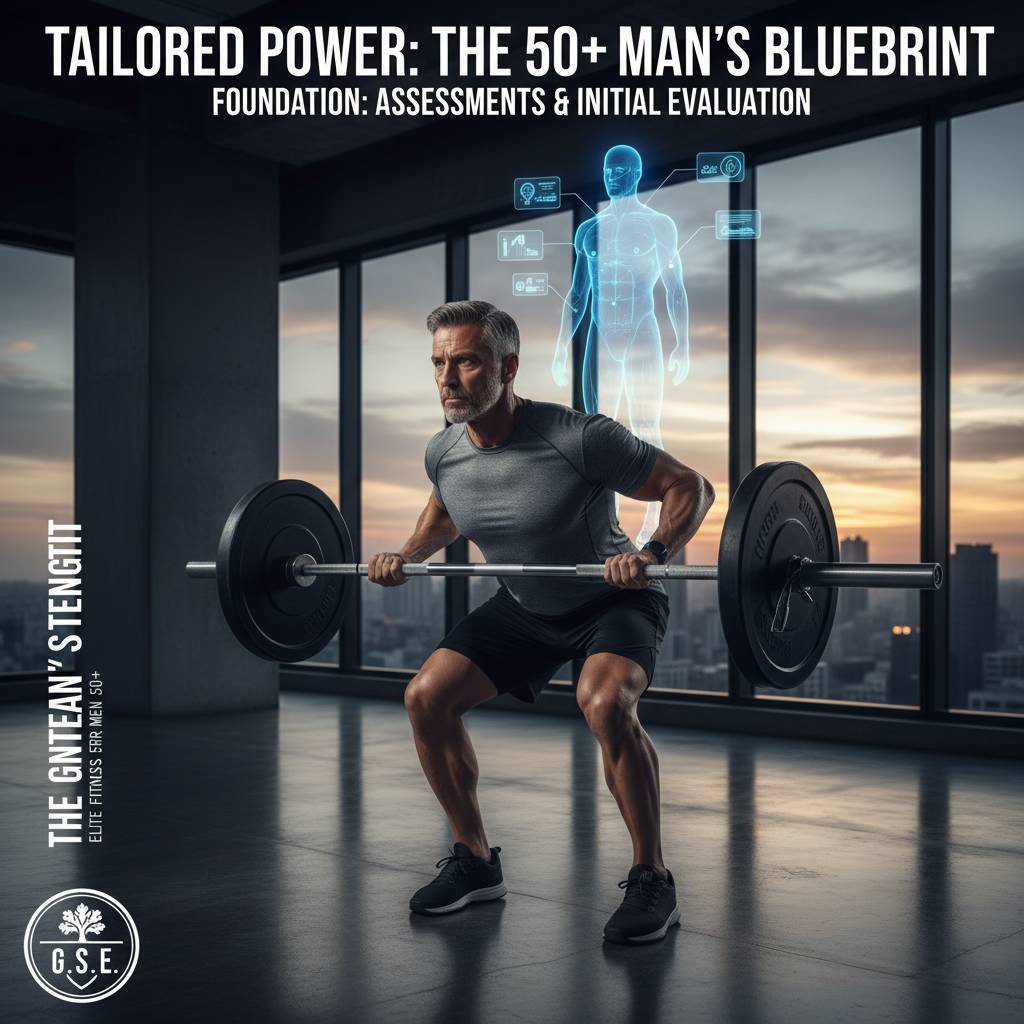 Assessment is the foundation of every program we build. Mature Male Fitness Coach starts with a comprehensive intake that combines medical history review, functional movement screening, performance metrics, and personal goals. This approach reveals not only strengths and weaknesses but also practical constraints-like joint limitations or medication considerations-that influence exercise selection and intensity. Assessments ensure we prescribe what is safe and effective.
Key components of the intake
- Medical and lifestyle history: medications, prior surgeries, chronic conditions, sleep, and stress factors.
- Functional screening: mobility, balance, joint range-of-motion, and movement quality to identify compensations and risk points.
- Strength and fitness testing: submaximal strength measures, cardiovascular fitness estimates, and endurance checks tailored to safety.
- Body composition and metabolic markers: where useful, simple measures or lab results inform nutritional planning and metabolic goals.
These components create a baseline that allows Mature Male Fitness Coach to measure progress and refine the program over time. The process is collaborative: we explain what each test means for your training and keep the plan realistic and measurable. If desired, your initial assessment can include a short demonstration session so you can feel comfortable with the exercises and coaching cues.
Programming: strength, conditioning, and functional work
Programming for men in their 50s is purposely multi-dimensional: it blends strength training, aerobic conditioning, mobility work, and activities that improve balance and functional capacity. Strength is prioritized because it supports bone density, metabolic rate, and daily function. However, the way strength is developed is carefully dosed, using progressive overload with appropriate recovery windows and technical coaching to protect joints and connective tissue.
How sessions are typically structured
- Warm-up and mobility (10-15 minutes): targeted to the individual's restrictions and daily needs.
- Strength or power focus (20-40 minutes): compound lifts, functional strength exercises, and controlled progressions.
- Conditioning (10-20 minutes): low-impact cardio options like cycling, rowing, or brisk walking with intervals as appropriate.
- Accessory and flexibility work (10-15 minutes): core stability, balance drills, and targeted mobility to reduce injury risk.
Sessions may be delivered in-person, remotely with video coaching, or as a hybrid depending on your preference and schedule. Programming frequency is individualized but commonly ranges from 2-5 sessions per week depending on recovery capacity, goals, and time availability. For many men in their 50s, 3 structured sessions per week plus daily movement and short mobility checks yield consistent improvements while maintaining life balance.
| Training Focus | Typical Goal | Example Modality |
|---|---|---|
| Strength | Increase functional muscle and bone strength | Squat variations, deadlift progressions, pressing patterns |
| Conditioning | Improve cardiovascular health and metabolic control | Interval walking, cycling, rowing, low-impact HIIT |
| Mobility & Balance | Maintain joint health and reduce fall risk | Dynamic stretches, single-leg work, proprioceptive drills |
Recovery, injury prevention, and restoring resilience
Recovery is not optional-it's where adaptation happens. For men in their 50s, recovery strategies are embedded in the program to maintain long-term training capacity. This includes planned deload weeks, sleep hygiene guidance, and active recovery sessions. We emphasize simple, evidence-based tactics that fit into daily life rather than complex regimens that are hard to sustain.
Injury prevention is another priority. Program elements such as movement pattern work, eccentric control exercises, and gradual volume increases lower the risk of tendinopathy and joint irritation. When minor issues appear, immediate adjustments are made-modifying exercise selection, reducing load, and adding targeted mobility-to keep progress continuous without exacerbating the problem.
- Planned deloads and periodization to manage cumulative fatigue.
- Soft tissue strategies and targeted mobility drills to address tight regions and poor mechanics.
- Education on pain versus injury: practical rules to continue safe movement while avoiding harmful stressing.
- Optional referrals to allied health providers when specialized assessment (e.g., physiotherapy) is needed.
Nutrition, body composition, and practical supplementation
 Nutrition for men in their 50s often focuses on preserving lean mass, optimizing metabolic health, and supporting recovery. Rather than presenting a restrictive or complicated diet, Mature Male Fitness Coach promotes sustainable patterns built around adequate protein, balanced carbohydrates timed to activity, and fats for hormonal health. Recommendations are personalized based on activity level, medical history, and personal preferences.
Core nutritional components
- Protein target: individualized to support muscle maintenance-often higher than many expect, with practical food-based strategies.
- Caloric strategy: whether the goal is weight loss, maintain, or gain, calories are adjusted gradually to preserve muscle and metabolic function.
- Macronutrient distribution: tailored to support training sessions and overall energy, with room for foods you enjoy.
- Hydration and timing: simple guidance to support performance and recovery.
Supplements can be useful when they address a clear gap. Common recommendations include vitamin D when deficient, omega-3s for inflammation management, and creatine to support muscle and cognitive benefits-always recommended in the context of a complete nutritional plan. Any supplement guidance is reviewed against medications and medical conditions to ensure safety.
Tracking progress, communication, and program adjustments
One hallmark of a tailored program is ongoing measurement and adjustment. Mature Male Fitness Coach uses objective and subjective tracking methods to assess what's working: strength and mobility metrics, training session completion, sleep and stress trends, and client-reported energy and soreness levels. These data points inform forward planning, so progression stays steady and setbacks are minimized.
Communication is designed to be straightforward and consistent. You will receive clear instructions for each session, and coaches are available for brief check-ins to tweak technique or adjust load. Periodic formal reviews-every 4-8 weeks-ensure your program aligns with changing goals or life events. This feedback loop keeps the plan responsive rather than static.
Examples of measurable checkpoints
- Submaximal strength increases over a 6-12 week block.
- Improved mobility scores or reduced stiffness in targeted joints.
- Consistency metrics: adherence rate to planned sessions and nutritional targets.
- Subjective improvements in energy, sleep quality, and daily function.
Typical program packages, investment, and what to expect
Programs can range from single-session consultations to fully managed monthly coaching with nutrition and recovery support. For transparency, sample price ranges often seen in the market for similar comprehensive services are $75-$200 per session for in-person consultations or $200-$800 per month for more extensive coaching packages that include programming, ongoing feedback, and nutrition support. Exact costs depend on the level of oversight, testing modalities, and whether in-person sessions are included.
When you request a sample program from Mature Male Fitness Coach, you'll receive a realistic plan that shows session examples, week-by-week progression, and the recovery and nutrition components tailored to your stated goals. This sample clarifies the service scope so you know what's included and what to expect before committing. It's a helpful tool for comparing options and deciding what level of support fits your life.
Frequently asked questions and practical considerations
Many men ask whether training in your 50s can actually change body composition and strength. The answer is yes-when programs are appropriately dosed, progress continues. Expect steady, meaningful improvements in strength, balance, and energy over months rather than dramatic overnight changes. Another common question is how to balance medications or chronic conditions with training. We incorporate medical history into the plan and coordinate with healthcare providers when necessary.
Should you be worried about overtraining in your 50s? If programming is tailored and recovery is emphasized, overtraining is avoidable. The plan is intentionally conservative at first and then progressively increases stimulus based on objective recovery and performance signals. Ask for a sample program to see how those progressions are staged.
Next steps and how to review a sample program
If you want to see exactly what a tailored plan looks like for someone in their 50s, call Mature Male Fitness Coach to review a sample program and discuss which package best fits your needs. During that conversation we can clarify assessments, timelines, and pricing, and tailor a sample around your goals and schedule. For a personal touch, ask for MMFC if you prefer to work with a coach familiar with common midlife priorities.
To request a sample program or schedule an initial assessment, contact Mature Male Fitness Coach at 13466334799. A short call will help us understand your goals and provide a realistic example that addresses assessments, programming, recovery, and nutrition components so you can compare options with confidence.
We look forward to helping you move confidently into the next phase of fitness. Contact Mature Male Fitness Coach at 13466334799 to review a sample program and reduce uncertainty about the scope of services available.