Declining Strength Causes in Early 50s Men
This article examines reasons for declining strength in men in their early 50s. It highlights assessment and program changes available through Mature Male Fitness Coach. The piece uses clear steps and invites consultation at 13466334799. It aims to convert concern into informed next steps.
Introduction: Why this matters now
Men in their early 50s commonly notice subtle but meaningful changes in physical capacity: heavier grocery bags feel heavier, stairs become more tiring, or past training results stall. These shifts are not inevitable and are often reversible when the right combination of assessment, targeted training, nutrition, and medical review is applied. At Mature Male Fitness Coach, we focus on understanding the specific reasons for declining strength causes in early 50s men and on practical pathways to regain function and confidence.
Understanding the cause matters because a one-size-fits-all response rarely delivers durable results. A tailored program begins with a clear diagnostic view that differentiates age-typical changes from treatable conditions such as hormonal imbalance, untreated injuries, or medication effects. This guide outlines common causes, the assessment process we use, evidence-informed program changes, and clear next steps you can take today to start reversing decline.
Common physiological causes of declining strength
 Normal aging affects muscle mass, neuromuscular efficiency, and recovery capacity. Sarcopenia, the progressive loss of muscle mass and strength, often begins in middle age and accelerates without stimulus. This process is driven by reductions in muscle protein synthesis, lower levels of anabolic hormones like testosterone and growth hormone, and diminished physical activity. Together, these factors reduce both raw force and the endurance of daily tasks.
Beyond sarcopenia, other physiological contributors include changes in tendon stiffness, joint cartilage wear, and reduced motor unit recruitment from the nervous system. These changes can translate into poorer technique, slower reaction times, and higher perceived exertion for the same tasks you did a few years ago. Recognizing these shifts early allows for interventions that restore strength and protect joints long-term.
Medical and hormonal conditions to consider
Certain medical conditions accelerate or mimic age-related strength decline. Low testosterone, thyroid dysfunction, untreated type 2 diabetes, chronic inflammation, and nutrient deficiencies (iron, vitamin D, B12) can all reduce energy, impair muscle maintenance, and blunt training response. Medications such as statins, some antihypertensives, and long-term corticosteroids may also contribute to muscle weakness or fatigue.
Identifying these contributors requires blood testing and a medical history that connects symptoms to potential causes. At Mature Male Fitness Coach, we work with primary care and specialists when indicated to rule in or out reversible conditions. Where laboratory abnormalities are identified, addressing them often improves the effectiveness of subsequent exercise and nutrition interventions.
Lifestyle and functional contributors you can change
In many cases, lifestyle choices are the largest modifiable drivers of declining strength causes in early 50s men. Sedentary behavior, loss of structured resistance training, poor sleep quality, and inadequate protein intake all reduce the body's ability to maintain or build muscle. Stress and alcohol consumption further interfere with recovery and hormonal balance, compounding the problem.
Functional contributors that are often overlooked include poor movement patterns, untreated injuries, and a mismatch between training intensity and recovery capacity. For example, attempting to work around pain without addressing the underlying issue can produce compensations that weaken key muscle groups. Simple changes-consistent resistance work, prioritizing sleep, and improving diet-can produce measurable strength gains within weeks when applied systematically.
Assessment and testing at Mature Male Fitness Coach
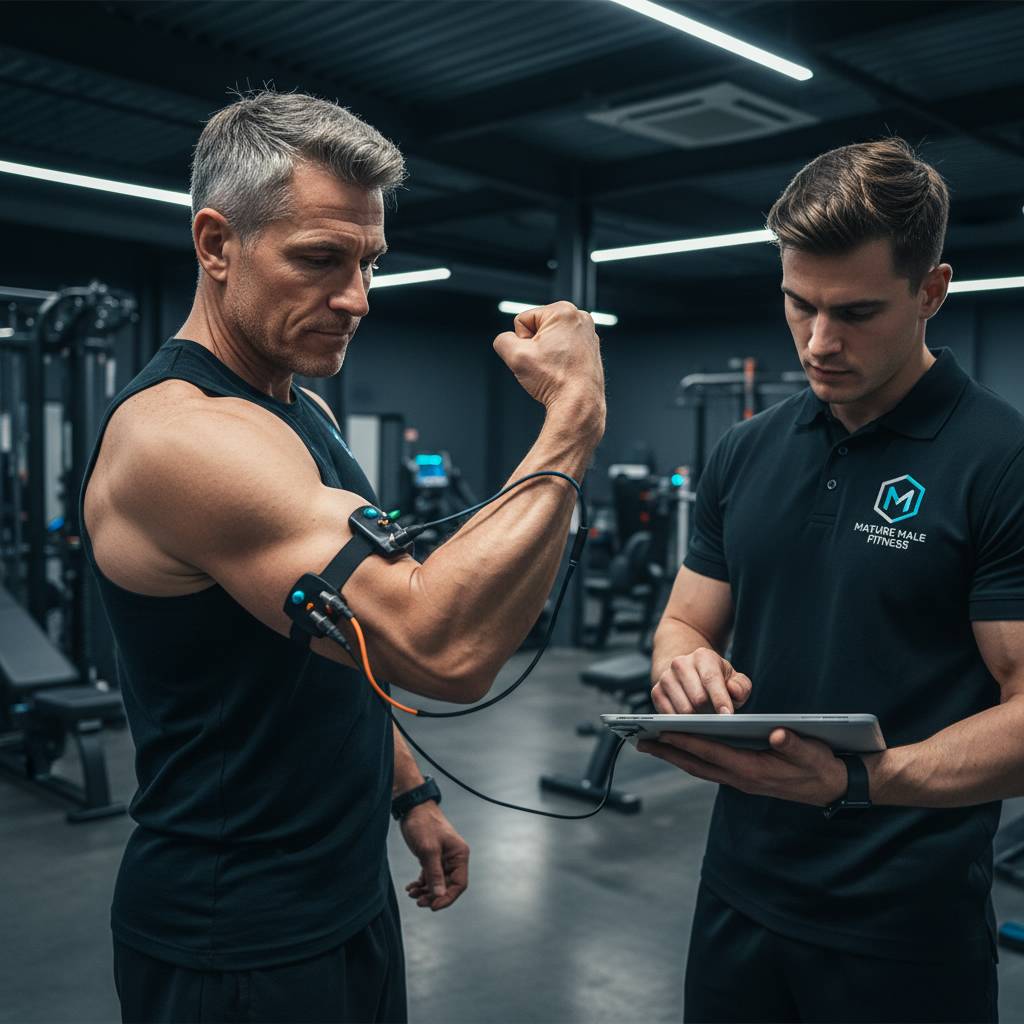 A comprehensive assessment is the first step toward reversing decline and must go beyond a single strength test. Our approach includes a detailed medical and activity history, movement screening to identify mobility and stability deficits, and targeted strength tests to quantify deficits. These measures let us set realistic short-term goals and project a long-term strategy that aligns with your daily responsibilities and athletic priorities.
Laboratory testing is often part of the assessment when indicated. Common panels include testosterone (total and free), thyroid-stimulating hormone (TSH), fasting glucose or HbA1c, vitamin D, and basic metabolic status. When appropriate, we also evaluate inflammatory markers or nutrient levels that can meaningfully affect strength and recovery. These results are interpreted in context rather than isolation to guide practical interventions.
Assessment components typically include:
- Movement screen: hip, shoulder, spinal mobility and control
- Strength tests: timed sit-to-stand, grip strength, 15 rep maximal efforts depending on safety
- Functional endurance: timed walk or stair test
- Relevant blood tests and medication review
Designing a personalized strength-restoration program
Effective programs combine progressive resistance training, nutritional support, recovery optimization, and targeted medical management when needed. For men in their early 50s, the emphasis is on compound movements that build functional capacity-squats, deadlifts, presses and rows-performed with appropriate loading and technique coaching. Progressive overload is applied intelligently: increase intensity when form and recovery permit, and scale back to prioritize consistent progression rather than risky maximal lifts.
Nutrition plays a central role. Adequate protein (often 1.0-1.6 g/kg body weight for men aiming to regain muscle), balanced caloric intake, and attention to micronutrients such as vitamin D and iron support muscle protein synthesis and energy. Sleep hygiene and stress management are equally critical because poor sleep reduces anabolic signaling and raises inflammatory markers, blunting gains from training.
When medical issues are identified, therapeutic options are discussed transparently. For men with clinically low testosterone, referral to an endocrinologist or urologist may be appropriate; hormone therapy is one of several options and should be considered after careful evaluation of risks and benefits. Other interventions, such as physical therapy for tendon or joint issues or medication adjustments to reduce side effects, are coordinated as needed.
| Intervention | Typical timeline to notice change | Estimated cost range |
|---|---|---|
| Targeted resistance training program | 4-12 weeks | $75-$200 per session (varies) |
| Comprehensive blood panel and medical consult | 1-2 weeks to results | $150-$400 (depending on tests) |
| Physical therapy for mobility/pain | 2-8 weeks | $75-$200 per visit |
Practical program elements and sample week
A practical week for a man rebuilding strength typically includes three structured resistance sessions, two mobility/recovery sessions, and daily attention to protein distribution and sleep. Sessions emphasize multi-joint lifts, progressive loading, and tempo control to build both strength and tendon resilience. Recovery days focus on mobility, low-intensity aerobic work to support circulation, and restorative activities like foam rolling or targeted stretching.
Sample week (illustrative):
- Monday: Lower-body strength (squats, Romanian deadlifts, calf work) mobility
- Tuesday: Active recovery (20-30 minute walk, mobility work)
- Wednesday: Upper-body strength (bench press variations, rows, shoulder stability)
- Thursday: Mobility and core stability, light aerobic work
- Friday: Full-body power/strength (deadlift variants, farmer carries, accessory work)
- Weekend: One day with light play/active recovery and one day full rest or easy activity
Program intensity and volume are adjusted week-to-week based on recovery, stress, and training response. Short, measurable benchmarks (e.g., improved sit-to-stand time, increased load on compound lifts) are used to track progress rather than subjective impressions alone.
Case study: practical turnaround in four months
A 52-year-old client (we'll call him MMFC) came to Mature Male Fitness Coach reporting six months of progressive difficulty with carrying shopping and playing with grandchildren. Assessment revealed reduced lower-body strength, low-normal testosterone, vitamin D insufficiency, and a history of intermittent statin-associated myalgias. A coordinated plan included a progressive resistance program, vitamin D supplementation, a temporary statin review with his physician, and sleep improvement strategies.

Within eight weeks the client reported better stamina and saw a 20% increase in leg press capacity. By four months his sit-to-stand test improved by two full repetitions, subjective fatigue decreased, and he reported being able to lift grandkids with less worry. Laboratory follow-up showed improved vitamin D and stable metabolic markers; the statin was adjusted and myalgias reduced. This case highlights how multi-modal assessment and coordinated care produce measurable functional gains.
Frequently asked questions
Is declining strength at this age normal or a sign of disease?
Some decline is common with age but it is not an obligation. When strength loss affects daily function, is rapid, or is accompanied by other symptoms (weight loss, extreme fatigue, breathlessness), medical evaluation is warranted. Many causes are treatable and respond well to targeted interventions.
How quickly can I expect to see results?
Most men notice improved energy and easier daily function within 4-12 weeks of a consistent, well-designed program. Strength gains and visible muscle changes can take longer, often 12-24 weeks depending on baseline status, nutrition, and medical factors. Consistent monitoring and incremental adjustments accelerate progress.
Should I consider testosterone therapy?
Testosterone therapy can help men with clinically low levels and relevant symptoms, but it is not a universal solution. It requires careful evaluation, monitoring, and coordination with a qualified medical provider. We help clients navigate this conversation and integrate medical options into an overall plan focused on sustainable function.
Next steps: how Mature Male Fitness Coach can help
If you recognize the signs of declining strength causes in early 50s men and want a clear, practical plan, the next step is a comprehensive assessment. At Mature Male Fitness Coach we combine movement analysis, strength testing, and relevant lab work to produce a prioritized plan-you'll leave with clear, achievable targets and a program tailored to your life and goals.
To schedule an initial consultation or ask specific questions about program options, call us at 13466334799. During that call we'll outline what the first visit includes, typical timelines, and how we coordinate medical referrals when needed. A short conversation can often clarify whether an in-person assessment is the right immediate next step.
Take action today: Reversing strength loss is possible with the right assessment and a coherent plan. Whether you want to return to athletic pursuits, protect daily independence, or simply feel stronger, Mature Male Fitness Coach offers evidence-informed care that integrates exercise, nutrition, and medical oversight. Reach out at 13466334799 to begin.