
Progress Tracking Methods For 50s Clients
Progress tracking methods for 50s clients: an introduction
At Mature Male Fitness Coach, we pride ourselves on giving clients in their 50s measurable, understandable ways to track progress. This page explains the progress tracking methods for 50s clients that we use to measure strength, mobility, and recovery. Whether you want to regain confidence after an injury, keep up with grandchildren, or simply stay active into the next decade, a clear tracking plan makes results visible and motivating.
Tracking becomes more important as the body changes with age: small wins add up, and small setbacks are easier to manage with data. In the sections that follow you'll find the metrics we prioritize, the tools we like, and how we turn numbers into practical decisions. If you want to know how this would look for you, call 13466334799 for a friendly walkthrough.
Why tracking matters in your 50s
People in their 50s often face a mix of evolving priorities - preserving joint health, maintaining muscle mass, and preventing nagging aches from becoming limitations. Tracking gives context to every workout and recovery choice. Instead of guessing whether a program is working, you collect consistent signals that show trends: are you lifting heavier, bending easier, sleeping better, or recovering faster? When progress is visible, people are both reassured and empowered to stay consistent.
Another practical benefit is accountability. Progress tracking methods for 50s clients help eliminate ambiguity. When a practitioner or coach from Mature Male Fitness Coach and a client review specific numbers and movement scores, the conversation becomes solution-focused. That clarity reduces frustration and supports smarter adjustments to intensity, exercise selection, and recovery strategies so effort is directed into what actually moves the needle.
Core metrics we track
 We focus on a balanced mix of objective and functional metrics so that improvements are meaningful for daily life. Key categories include strength, mobility, cardiovascular fitness, body composition, sleep/recovery, and pain or symptom tracking. Each category tells a slightly different story: strength and mobility reflect capability; sleep and recovery tell you how well your body adapts; and symptom logs help us spot patterns that need a different approach.
Maintaining consistent methods for measurement is central to valid comparisons. For example, if you test a timed walk, you do it on the same route and time of day. If you measure grip strength, you use the same dynamometer and protocol. This consistency is one of the simple but essential progress tracking methods for 50s clients that keeps data meaningful across weeks and months.
Mobility and functional testing
Mobility is a top concern for many clients in their 50s because it directly affects function and injury risk. At Mature Male Fitness Coach we use a combination of simple screens and repeatable tests: sit-to-stand counts, single-leg balance, overhead reach, and timed up-and-go. These tests are quick, low-risk, and translate directly into everyday activities like bending to tie shoes, climbing stairs, or reaching into cabinets.
How we interpret mobility scores
A single test is useful, but trends are more valuable. If a client's single-leg balance improves from 12 seconds to 22 seconds over eight weeks, that indicates a meaningful reduction in fall risk and improved lower-limb control. We pair these results with qualitative notes - soreness, stiffness, or pain levels - to understand whether gains are sustainable or coming at the cost of increased discomfort.
Strength and recovery metrics
Strength is not just about big numbers; for people in their 50s, functional strength matters. We monitor compound lifts and functional equivalents (e.g., deadlift, squat, farmer's carry), but we also track submaximal performance: number of assisted or unassisted reps at a given weight, tempo control, and rate of perceived exertion. These measures help us progress safely and avoid pushing clients into unnecessary maximal lifts when a safer alternative will deliver the same functional benefit.
Recovery metrics are equally important. Resting heart rate, subjective sleep quality, and a simple morning readiness score are often enough to guide training load. For some clients we also monitor heart rate variability (HRV) if they are comfortable with wearing a device. These signals let us scale sessions up or down so that improvements are steady and sustainable rather than episodic and risky.
Tools and technology we use
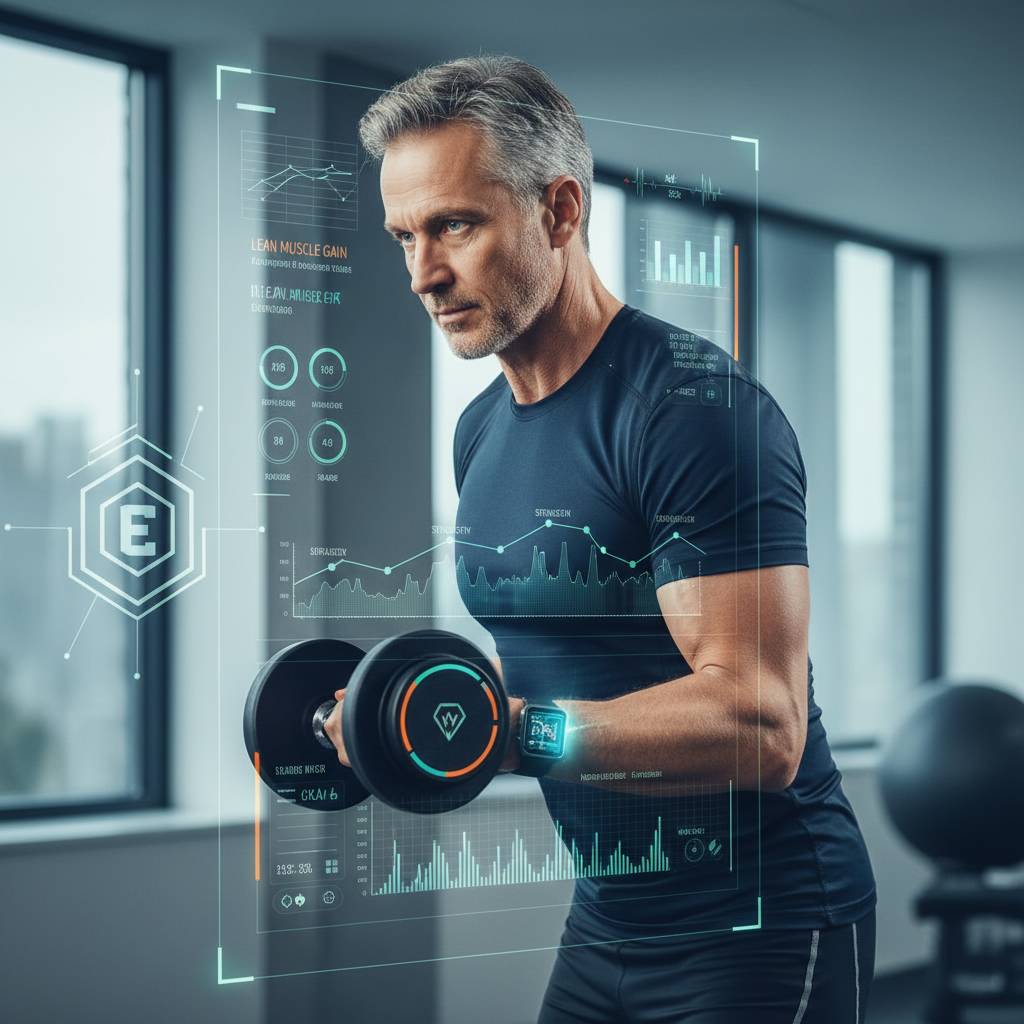 We use accessible tools that respect practicality and comfort. A reliable grip dynamometer, standardized functional tests, simple goniometers for joint angles, and widely available wearable devices for step counts and heart-rate trends all have a place in our toolkit. Technology should simplify work, not complicate it - the goal is actionable information, not a flood of confusing data.
- Wearable devices and apps for steps, sleep, and heart-rate trends
- Handheld dynamometer for grip strength
- Standardized functional tests (timed up-and-go, sit-to-stand)
- Simple body composition methods for trend data (calipers or smart scales)
Below is a compact table that shows how we typically schedule metric collection for the average client in their 50s. Frequencies are adaptable to each person's needs and availability.
| Metric | Why it matters | Typical frequency |
|---|---|---|
| Strength tests (submax reps) | Tracks functional capacity and load progression | Every 4-8 weeks |
| Mobility screens | Spot movement restrictions and fall risk | Every 2-6 weeks |
| Resting HR & sleep | Monitors recovery and readiness | Daily to weekly |
| Symptom & pain log | Correlates training with comfort levels | Daily as needed |
How Mature Male Fitness Coach turns data into decisions
Collecting metrics is only useful when it changes what you do next. Our process is straightforward: baseline, plan, monitor, adjust. We begin with an intake and baseline testing window, set short- and long-term goals with realistic timelines, and then pick the most relevant metrics to monitor. Reviews happen regularly and focus on interpreting patterns rather than obsessing about single-day fluctuations.
For most clients, reviews happen every 4-6 weeks and include a simple meeting to interpret progress. If a client reports increased joint pain after adding volume, we view that alongside recovery metrics and immediately adjust program components. The feedback loop is designed to be quick and practical: spot the trend, test a change, and re-evaluate the outcome so that every adjustment is evidence-informed.
Practical examples and case studies
Concrete examples help make tracking relatable. One client in their mid-50s came to us with knee stiffness and low confidence walking hills. We used timed walk tests, single-leg balance, and a symptom diary. After eight weeks of progressive strength work, mobility drills, and a focus on sleep hygiene, the client's timed walk improved by 16% and reported knee stiffness dropped from 6/10 to 2/10. The numbers told the story the client felt: faster walks, easier stairs, and less fear of doing things they loved.
Another example involves a client recovering from a shoulder issue. Instead of rushing to overhead presses, we tracked scapular control and pain-free range of motion with weekly notes. Over 10 weeks, incremental progress in range-of-motion tests and pain reduction allowed a gradual return to heavier pushing movements without setback. The structured tracking kept the plan conservative when needed and progressive when the body responded well.
Setting realistic goals and staying accountable
Goal setting for people in their 50s should be specific, measurable, and flexible. We often recommend a 3-tier goal system: short-term wins (4-8 weeks), medium-term outcomes (3-6 months), and long-term lifestyle aims (12 months). Short-term objectives might be improving a sit-to-stand count or decreasing morning stiffness; medium-term goals could include a measurable increase in loaded carry distance or a reduction in resting heart rate. Long-term goals focus on consistent activity, resilience, and quality of life.
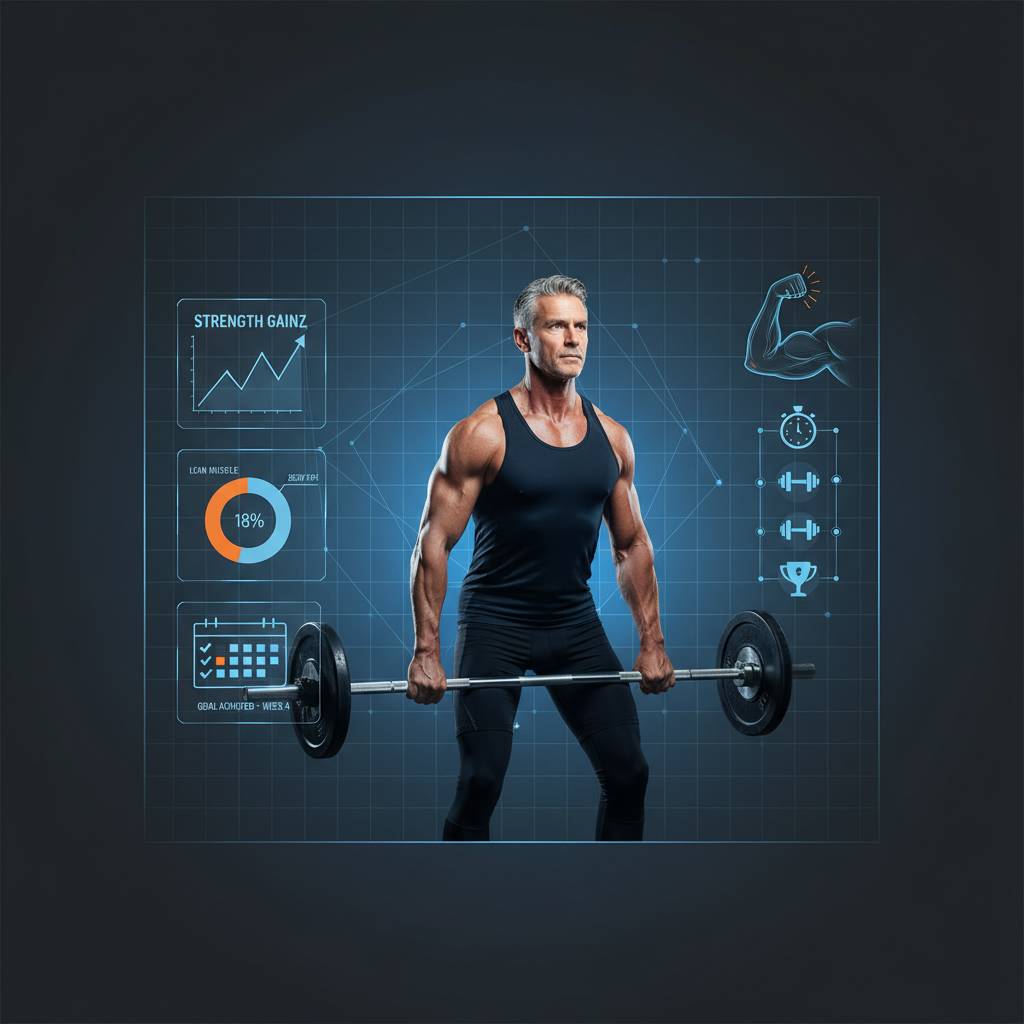
Accountability is built into the program through scheduled check-ins, shared progress dashboards, and regular messages that summarize what worked that week. These touchpoints are intentionally brief and focused so they add momentum without becoming another to-do. Our clients often tell us that seeing small but consistent improvement is what keeps them from slipping back into old habits.
Frequently asked questions
Many people ask whether tracking is intrusive or time-consuming. The short answer: it doesn't need to be. We prioritize tests that are quick, repeatable, and meaningful. A 10-minute set of functional tests every few weeks paired with a simple daily readiness check typically gives us more than enough insight to guide training safely and effectively.
Another common question is about cost. Tracking can be low-cost or enhanced with tech depending on what a client chooses. Our basic monitoring is included in many coaching options; for more advanced metrics we offer optional add-ons in the range of $75-$200 for device-backed analysis or specialized assessments. Whatever path you choose, we design it to be sustainable and directly tied to your goals.
Next steps and how to get started
If you'd like a personalized explanation of the progress tracking methods for 50s clients and how they would apply to your goals, we make the first conversation simple and free of pressure. A short phone call helps us understand your history, preferences, and priorities so we can suggest a testing and tracking plan that fits your life. Call 13466334799 to arrange a time that works for you.
Whether you want to protect your joints, increase strength for everyday tasks, or recover from an old injury, tracking gives you evidence and confidence. At Mature Male Fitness Coach we focus on clear, achievable steps and tangible results. Reach out and we'll walk you through how tracking can create accountability, highlight real progress, and keep you moving with purpose.