Overtraining Signs In Men Early 50s
This article identifies overtraining signs in men in their early 50s and how to respond
If you are a man in your early 50s-or you care for one-recognizing overtraining signs in men early 50s is a protective step that can prevent longer-term injury, hormonal disruption, and chronic fatigue. This article explains the key physical, behavioral, and medical indicators to watch for, why age matters, and what practical steps can be taken to recover. Mature Male Fitness Coach offers comprehensive assessments and tailored program adjustments to help men return to safe, sustainable training. If you recognize these symptoms and want a professional evaluation, please call 13466334799 to schedule an assessment.
Our goal is practical and specific: you will learn how to spot early warning signs, what tests and screenings are helpful, how training should be modified, and when to seek urgent medical attention. We speak plainly about recovery strategies that work for men in their early 50s-balancing strength, cardiovascular health, and long-term resilience without sacrificing progress or safety. MMFC is a resource for clients who prefer a familiar point of contact during the assessment process.
Recognizing the most common physical signs
Overtraining often begins with seemingly small physical changes that accumulate. Persistent, disproportionate soreness that lasts more than 72 hours after workouts, an unexplained drop in performance, and ongoing fatigue are hallmark signs. In men in their early 50s, these physical symptoms can be magnified by slower tissue repair and reduced anabolic hormone levels; what used to be a two-day recovery may now take twice as long.
Other physical indicators include disrupted sleep patterns, recurring minor injuries (tendinopathy or persistent joint pain), and altered resting heart rate. A rising resting heart rate or elevated heart rate variability in the wrong direction can signal inadequate recovery. If you notice a steady decline in strength or endurance despite consistent training, treat it as an early warning rather than a temporary setback.
- Extended muscle soreness and stiffness beyond normal timelines
- Consistent declines in lifting performance or aerobic output
- Increased resting heart rate, poor sleep, and frequent colds
- Unintentional weight loss, loss of appetite, or reduced libido
Behavioral, emotional, and cognitive indicators
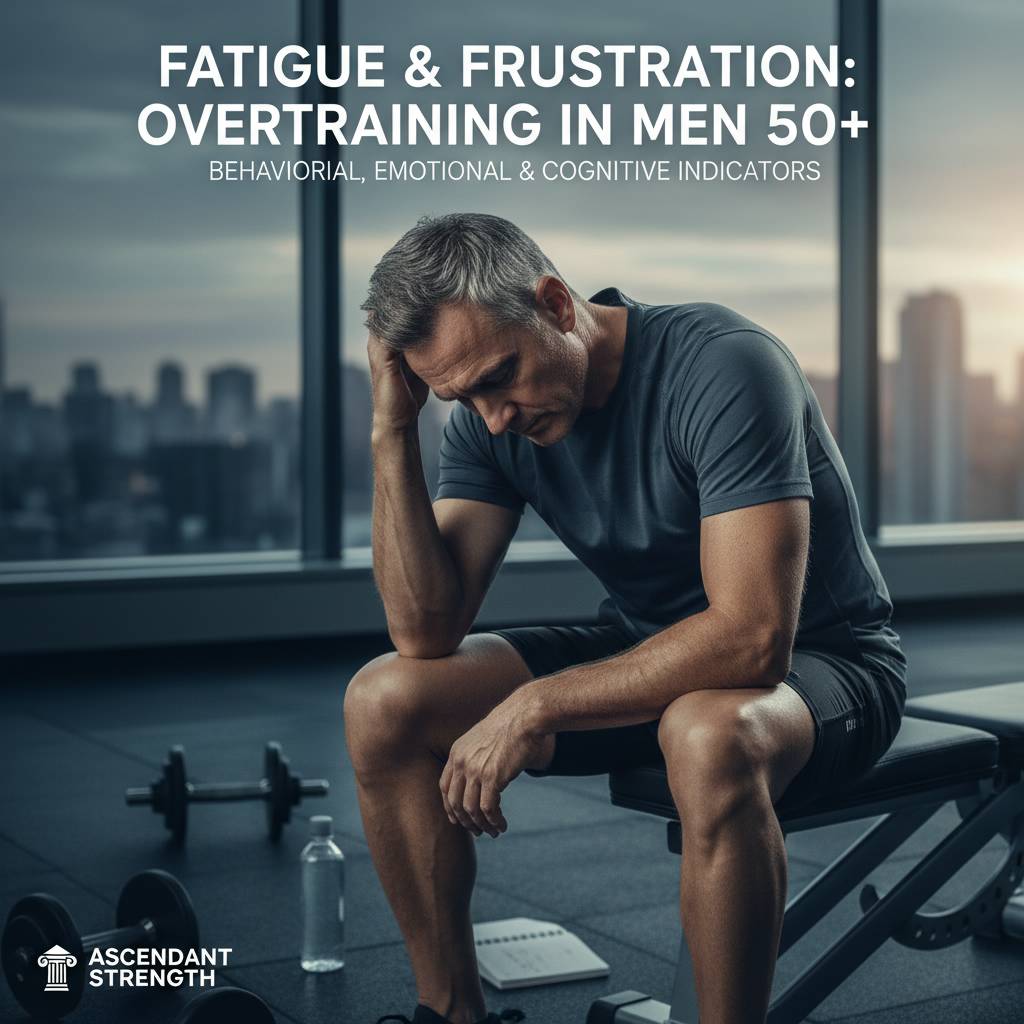 Overtraining is not only physical. Emotional and cognitive changes are commonly reported and often overlooked. Men in their early 50s may experience diminished motivation, irritability, or mood swings that are out of character. These changes can affect work, family life, and adherence to a training plan. Performance anxiety and a sense of diminished accomplishment are psychological signals that should be taken seriously.
Cognitive symptoms may include difficulty concentrating, slower reaction times, and trouble making decisions-especially noticeable in complex tasks. Frequent feelings of apathy or a sudden loss of enthusiasm for previously enjoyable training sessions are red flags. If emotional changes are accompanied by sleep disruption and physical fatigue, the pattern of overtraining becomes more probable and requires a structured response.
Why early 50s changes the risk profile
Men in their early 50s face physiologic shifts that alter their risk and recovery from high training loads. Testosterone levels typically decline gradually with age, which reduces muscle protein synthesis and can slow recovery. Bone density, tendon elasticity, and joint cartilage also change with time, increasing susceptibility to repetitive strain injuries if training loads are not adjusted. Recognizing these age-related factors enables smarter program design and reduces long-term harm.
Chronic conditions and medications become more prevalent in this decade, and they can interact with exercise capacity and recovery. Hypertension, type 2 diabetes, and mild cardiac disease are more common, and many medications influence heart rate, energy levels, and sleep. A responsible training plan for a man in his early 50s accounts for these variables through screening and individualized modification rather than a one-size-fits-all approach.
Assessment and testing: how Mature Male Fitness Coach evaluates overtraining
Early, accurate assessment is essential. Mature Male Fitness Coach begins with a thorough intake that includes training history, recent changes to volume or intensity, sleep and nutrition patterns, and psychosocial stressors. We review training logs and ask targeted questions about the onset and progression of symptoms to differentiate overreaching (short-term, recoverable) from true overtraining syndrome (longer-term, requiring intervention).
When clinically indicated, laboratory testing helps rule out medical causes that mimic overtraining. Useful tests include a basic metabolic panel, complete blood count, thyroid function, fasting glucose or A1c, and testosterone levels. Cardiac risk may warrant an ECG or stress test for men with chest symptoms, significant family history, or established risk factors. Mature Male Fitness Coach coordinates these tests and interprets results within the context of your training and symptoms.
- Comprehensive history and training-log review
- Targeted blood work: CBC, CMP, thyroid panel, testosterone (as indicated)
- Cardiovascular screening when risk factors or symptoms appear
- Functional movement screening and strength testing to pinpoint deficits
Assessments at Mature Male Fitness Coach typically combine objective metrics with practical coaching. Some clients opt for a baseline package that includes lab coordination and a movement screen; this service can range from $75-$200 depending on the extent of testing and whether external lab fees apply. We always tailor the scope of assessment to clinical need rather than a fixed menu of unnecessary tests.
Program adjustments and recovery strategies that work
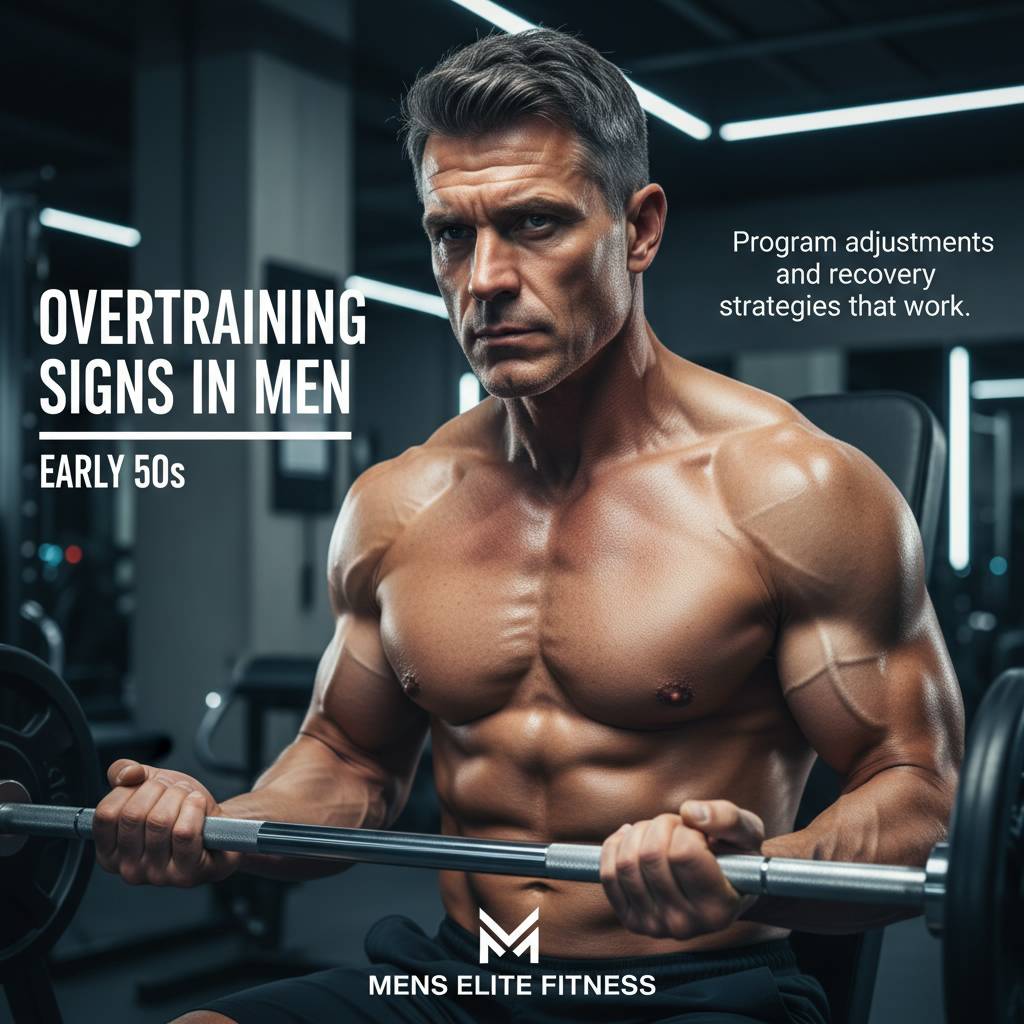 Once assessment identifies the dominant issues, program adjustments focus on volume, intensity, and recovery quality. For men in their early 50s, the emphasis is on preserving strength and cardiovascular health while protecting tissue and ensuring consistent recovery windows. This often means reducing weekly high-intensity sessions, increasing planned recovery days, and introducing scheduled deloads every 36 weeks.
Practical, evidence-driven strategies include prioritizing sleep hygiene, refining nutrition to support repair, and adding active recovery modalities like mobility work and low-impact aerobic sessions. Auto-regulation-listening to daily readiness metrics such as perceived exertion, resting heart rate, and subjective energy-helps modulate training in real time. Mature Male Fitness Coach designs progressive plans that reintroduce load carefully and include objective check-ins so adjustments are data-driven and reversible if symptoms return.
- Implement structured deload weeks and reduce training frequency temporarily
- Prioritize 79 hours of quality sleep and implement consistent sleep routines
- Ensure adequate protein intake and caloric support for recovery
- Use cross-training (cycling, swimming) to maintain cardiovascular fitness while reducing joint stress
Targeted interventions: strength, cardio, and mobility
Strength sessions should focus on maintaining neuromuscular quality rather than chasing frequent personal bests. Using slightly lower volume with preserved intensity across key lifts can maintain strength while reducing cumulative fatigue. Cardiovascular work benefits from a mix of low-intensity steady-state and carefully dosed interval training; intervals should be shorter and fewer if recovery is compromised.
Mobility and soft-tissue care are essential and often undervalued. Regular mobility routines, targeted stretching, and occasional manual therapy sessions can reduce pain and prevent niggles from escalating into injuries that force prolonged downtime. Mature Male Fitness Coach often prescribes specific mobility protocols tailored to each client's most limited joints and movement patterns.
Practical recovery plan and red flags that require medical attention
Below is a simple, practical 4-week recovery template appropriate as a starting point for many men in their early 50s who show signs of overtraining. This template is intentionally conservative; progress should be guided by symptoms and objective markers rather than rigid timelines.
- Week 1: Reduce overall training volume by 40%, replace 2 high-intensity sessions with low-impact aerobic work and mobility; prioritize sleep and protein intake.
- Week 2: Reintroduce one moderate intensity strength session; monitor resting heart rate and perceived exertion; continue mobility and a light aerobic session.
- Week 3: If symptoms have abated, gradually increase volume by 15-20% and reintroduce a second structured strength session; keep one day fully off.
- Week 4: Reassess performance metrics and subjective recovery. If improvement is consistent, begin a controlled progression back to previous load over 4-8 weeks.
Certain signs demand immediate medical review. Seek urgent care if you experience chest pain, sudden shortness of breath, fainting, severe palpitations, or new, rapidly worsening swelling. Even without those extremes, persistent low mood, sustained loss of appetite, or marked unintentional weight loss should prompt a physician evaluation to rule out underlying medical causes.
Quick comparison: Mild overreaching vs. overtraining syndrome
| Mild Overreaching | Overtraining Syndrome |
|---|---|
| Short-term performance drop, recovers within days to 2 weeks | Performance decline persists for weeks to months despite rest |
| Manageable fatigue, sleep mostly intact | Marked fatigue, disrupted sleep, mood changes |
| Responsive to a planned deload | Needs comprehensive medical and training intervention |
Frequently asked questions and practical answers
Q: How long does it take to recover from overtraining? A: Recovery varies with severity and underlying factors. Mild overreaching may improve within 13 weeks with a proper deload. More severe overtraining syndrome can take months and requires a stepwise plan that addresses sleep, nutrition, training load, and sometimes medical treatment. Mature Male Fitness Coach develops timelines based on objective reassessment.
Q: Can I continue to train while recovering? A: Yes, but training should be significantly adjusted. Replace high-intensity sessions with low-impact aerobic work, mobility, and carefully dosed strength training. Avoid pushing through fatigue to chase short-term results-this prolongs recovery. Use daily readiness checks and be prepared to back off if symptoms return.
Q: Will hormone replacement fix overtraining? A: Hormonal therapy is not a universal solution and should not be used to mask training-induced fatigue. It may be appropriate for men with clinically low testosterone confirmed by blood work and symptoms; however, treatment decisions require thorough evaluation and monitoring by a qualified clinician. Mature Male Fitness Coach coordinates testing and works with medical providers when hormone management is under consideration.
Conclusion - practical next steps and how Mature Male Fitness Coach can help
Overtraining signs in men early 50s should be treated with a balanced combination of medical screening and pragmatic program modification. Early recognition and a thoughtful response can prevent long-term setbacks and restore sustainable progress. Mature Male Fitness Coach provides individualized assessments, lab coordination, movement screening, and bespoke program adjustments designed specifically for men in this age group. Our approach is conservative, evidence-informed, and focused on long-term resilience.
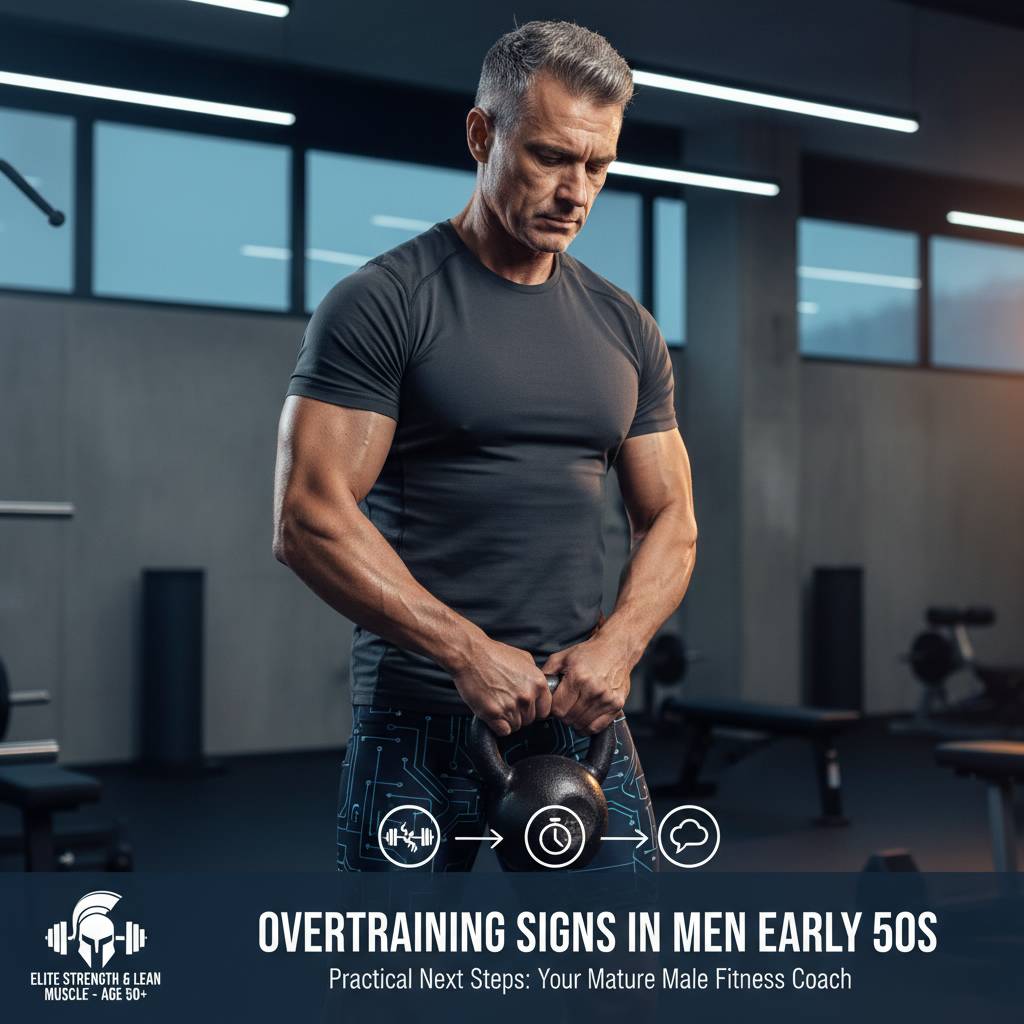
If you recognize the symptoms discussed here, we encourage you to take action now-early intervention leads to faster recovery. To arrange an assessment, discuss lab options, or get a customized deload and return-to-training plan, contact Mature Male Fitness Coach at 13466334799. A brief phone consultation can clarify the next steps and get you scheduled for a full evaluation.
Call Mature Male Fitness Coach today at 13466334799 to protect your health and maintain the fitness you value. We will help you identify the right combination of testing, program adjustments, and recovery strategies to get back to training safely.