Nutrition Mistakes Sabotaging Gains After 50
This guide highlights nutrition mistakes that can sabotage gains after age 50
As you move past 50, your training goals and nutritional needs change in subtle but important ways. This guide explains common nutrition mistakes sabotaging gains after 50 and presents corrective strategies that Mature Male Fitness Coach integrates into coaching. Whether you want to rebuild muscle, improve bone density, or sustain energy for consistent training, the right eating plan supports every lift and every recovery day.
These pages are written to be practical and realistic, not prescriptive. If you want tailored advice, you can reach out to Mature Male Fitness Coach for personalized nutrition guidance-call 13466334799 to get started. MMFC may pop into conversations if you're familiar with our coaching team, but the focus here is clear: identify the nutrition pitfalls, understand why they occur, and implement straightforward fixes that align with your workouts and lifestyle.
Why nutrition matters more after 50
After 50, physiological shifts such as reduced anabolic signaling, slower digestion, and changes in hormone profiles make it easier to lose muscle and harder to rebuild it. Nutrition therefore becomes a primary lever for preserving lean mass and strength. Adequate and properly timed macronutrients help amplify the benefits of resistance training and accelerate recovery between sessions, allowing you to progress safely and sustainably.
Bone health, metabolic health, and immune resilience are also tightly linked to diet. Micronutrient insufficiencies that go unnoticed in younger years can compound with age, increasing injury risk and prolonging recovery. Paying attention to protein, energy balance, essential fats, and key vitamins and minerals is not optional if you want consistent gains; it's part of the foundation for sustainable performance and quality of life.
Common nutrition mistakes sabotaging gains after 50
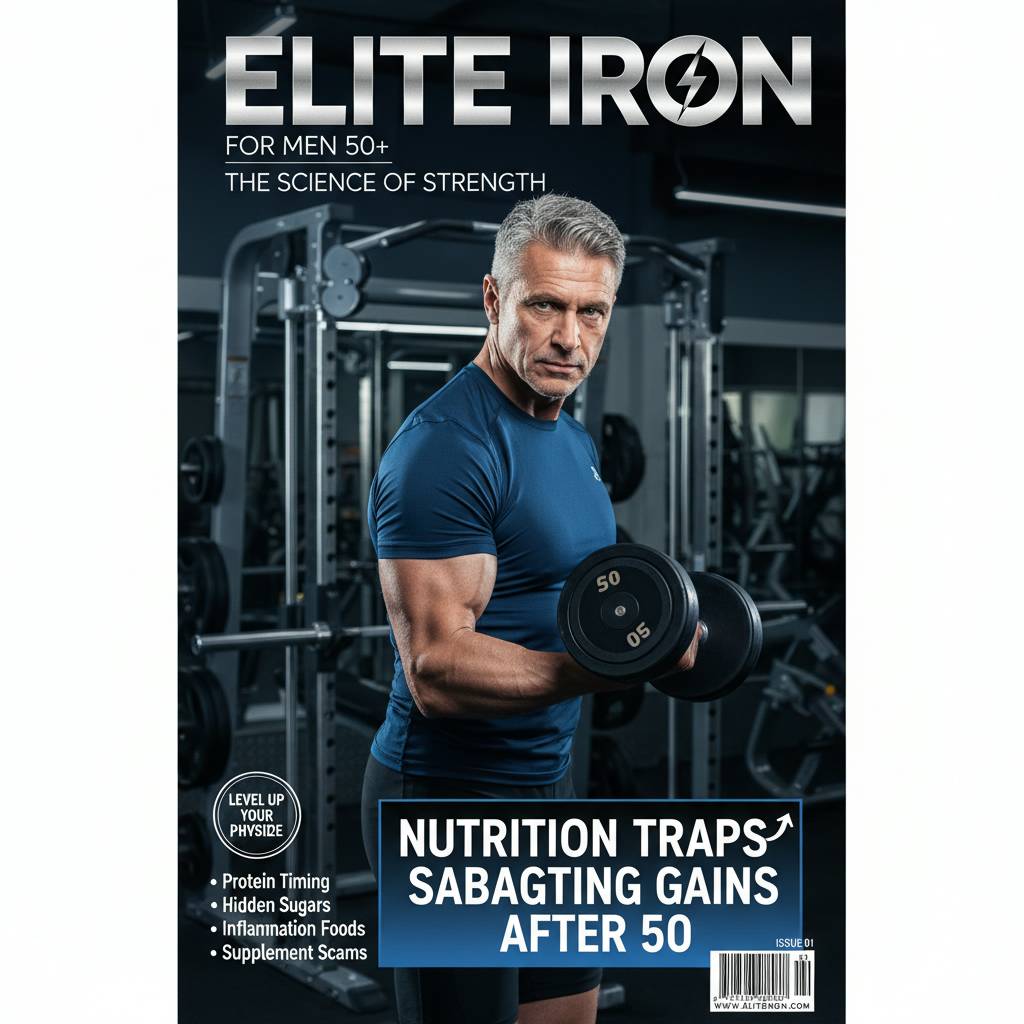 Many clients over 50 come to coaching having tried well-intentioned but flawed approaches. These missteps often include assumptions based on younger years, misinformation from trends, or simply underestimating how recovery needs change. Here are the most frequent mistakes we see and why they matter.
- Under-consuming protein and spreading it unevenly across the day.
- Chronic under-eating, especially on training days, which blunts progress.
- Over-reliance on supplements instead of whole food first strategies.
- Neglecting carbohydrate timing around workouts, leading to poor performance and recovery.
- Ignoring hydration and electrolyte balance, which affects strength and cognition.
- Failing to monitor progress with objective metrics, so adjustments are slow or misguided.
Protein quantity and distribution
Many people assume a single large dinner solves daily protein needs, but muscle protein synthesis is maximized when protein is distributed across multiple meals. After 50, the anabolic response to protein can be blunted, which means higher per-meal protein doses and regular stimulation through the day are important. Aim for a consistent source of high-quality protein at breakfast, lunch, and dinner to maintain a positive muscle-building signal.
Chronic under-eating around training
Some older adults reduce calories to manage weight and inadvertently underfuel workouts. When energy is low, intensity and volume decline, and gains stall. Matching calorie intake to training demands-especially on days with heavy resistance sessions-supports progression without excessive fat gain. That doesn't mean overeating; it means targeted increases in nutrient-dense calories when they support recovery and performance.
Supplements versus whole food
Supplements can be helpful, but they're not a substitute for nutrient-dense meals. Relying on powders and pills to fill gaps without addressing meal quality often leaves key co-factors and phytonutrients missing. Use supplements strategically-protein powders for convenience, vitamin D if levels are low, and omega-3s for inflammation support-while prioritizing whole foods as the core of your plan.
Corrective strategies Mature Male Fitness Coach integrates into coaching
Mature Male Fitness Coach uses several consistent strategies to prevent common pitfalls and accelerate progress. The approach is pragmatic: create a sustainable baseline of calories and macronutrients, optimize protein timing, and introduce simple behavioral nudges that make adherence easier. We prioritize small, trackable changes that compound into meaningful gains without dramatically altering your lifestyle.
Key components include setting a realistic protein target, aligning carbohydrate intake with training windows, ensuring adequate dietary fats for hormonal health, and addressing hydration and micronutrient needs. These elements are combined with monitoring and regular adjustments so nutrition supports progressive overload and recovery rather than undermining it.
| Mistake | Why it sabotages gains | Practical fix |
|---|---|---|
| Low or uneven protein | Reduces muscle protein synthesis and recovery | Target 0.6-1.0 g/kg per meal or 25-40 g of protein 3 times daily |
| Under-eating on training days | Limits intensity and muscle repair | Add 200-400 calories focused on carbs and protein around workouts |
| Ignoring hydration/electrolytes | Decreases strength and mental focus | Drink consistently and include electrolyte sources pre/post training |
Practical meal and snack examples to support gains
Examples make abstract guidance actionable. Below are straightforward meal templates that prioritize protein, include supportive carbohydrates for training, and contain healthy fats and micronutrient-dense foods. Swap items based on preferences, appetite, and any medical conditions-these are starting points to build from, not rigid rules.
- Breakfast: Greek yogurt or cottage cheese bowl with berries, a handful of nuts, and a scoop of whey or plant-based protein if needed-aim for 25-35 g protein.
- Pre-workout snack: Banana with a tablespoon of nut butter or a small turkey-and-avocado wrap 45-90 minutes before training.
- Post-workout meal: Grilled salmon or tofu, a cup of quinoa or sweet potato, and a generous serving of mixed vegetables-prioritize 30-40 g protein and 30-60 g carbs depending on session intensity.
- Dinner: Lean steak, chicken, or legume-based chili with a side salad and olive oil dressing; include yogurt or a fortified milk if bone health is a concern.
- Snack options: Hard-boiled eggs, a protein shake, hummus with whole-grain crackers, or edamame-convenient ways to hit protein targets between meals.
On heavier training days, slightly increase carbohydrate portions (e.g., add an extra 1/2 cup cooked rice or an additional piece of fruit) and prioritize post-workout protein within 60-90 minutes. On lighter days, shift calories toward protein and vegetables to maintain muscle without promoting unwanted fat gain.
Monitoring progress and adapting intelligently
 Progress is not guesswork. Track a combination of objective measures-strength numbers in key lifts, changes in body composition, resting energy levels, and recovery quality. Periodic photo comparisons and simple body measurements can identify trends that scale-based tracking misses. Mature Male Fitness Coach typically reviews these metrics every 2-6 weeks depending on a client's program to make targeted adjustments.
Bloodwork and functional testing are also valuable. Common labs a coach may request include vitamin D, ferritin, fasting glucose or HbA1c, and thyroid markers when clinically indicated. These tests help identify deficits that can hinder training adaptations. When needed, nutrition changes or working with healthcare providers to address deficiencies are incorporated into the coaching plan.
Frequently asked questions
How much protein do I really need after 50?
While needs vary, many people over 50 benefit from slightly higher protein intakes than younger adults to overcome anabolic resistance. A practical range is 1.2-1.8 g/kg body weight per day, distributed across 3-4 meals with 25-40 g protein each. Mature Male Fitness Coach personalizes that range based on activity level, training goals, and medical history.
Should I cut carbs to lose fat and still maintain muscle?
Moderating carbs can work, but aggressive carbohydrate restriction on heavy training days can undermine workout quality and recovery. Instead, consider periodizing carbs-lower on rest days, higher on intense lifting days-while keeping protein adequate and overall calories supportive of gradual fat loss if that's the goal.
Are protein shakes necessary?
Protein shakes aren't required, but they're a convenient way to meet targets when appetite or time is limited. Whole foods are the priority for micronutrients and satiety, but a shake after training or between meals can be a useful tool, especially for older adults who struggle to consume adequate protein through meals alone.
How soon will I see results if I fix these mistakes?
Strength or performance gains can appear within 4-8 weeks when nutrition and training are aligned, while meaningful body composition changes often take 8-16 weeks depending on starting point and consistency. Recovery, sleep, and stress management influence timelines, so expect progress but avoid impatience; sustainable gains compound over months.
Case example: small changes, meaningful gains
A 62-year-old client came to Mature Male Fitness Coach frustrated by stalled progress despite regular training. The main issues were low daily protein (under 60 g), skipping breakfast, and inadequate carbs on training days. Within eight weeks of increasing protein to about 90-110 g per day, adding a pre-workout carbohydrate snack, and monitoring training load, the client reported better session intensity, reduced soreness, and measurable strength increases across compound lifts.
This case illustrates how targeted fixes for nutrition mistakes sabotaging gains after 50 don't require extremes-just consistency and a plan that respects age-specific physiology. Small nutritional changes aligned with training can restore progress and improve long-term resilience.
Get personalized support
If you recognize any of the mistakes above in your own plan, you don't have to figure everything out alone. Mature Male Fitness Coach combines nutrition strategy with training that complements your goals and lifestyle. Our coaching focuses on practical adjustments that fit real life: meal patterns you enjoy, sensible supplement use, and performance-based nutrient timing.

Ready for individual guidance? Call 13466334799 to discuss a tailored nutrition and training plan. Whether your goal is to regain lost muscle, improve recovery, or optimize energy for daily life, we'll help you implement sustainable changes that support consistent gains after 50.