
Coach Qualifications That Matter For 50s Clients
Introduction: Why coach qualifications matter for clients in their 50s
Choosing a coach in your 50s is not just a matter of personality fit; it requires careful consideration of specific credentials and skills that address midlife priorities. At Mature Male Fitness Coach, we emphasize the practical qualifications and relational competencies that help clients in this life stage navigate career transitions, health choices, caregiving responsibilities, and renewed purpose. This guide outlines the coach qualifications that matter for 50s clients so you can make an informed decision before committing time and investment.
People in their 50s often face a blend of opportunities and constraints-financial planning, shifting family roles, aging parents, and decisions about retirement or encore careers. A coach who understands these realities and has demonstrable training and assessment skills will help you move efficiently toward meaningful outcomes. We describe not only formal certifications but also the experiential background and evaluative approaches that matter most for this group.
Mature Male Fitness Coach encourages prospective clients to verify credentials and interview coaches directly; calling to confirm qualifications is a prudent step. If you prefer an initial conversation with our team, please contact us at 13466334799. That call can help you assess whether a coach's experience, methodology, and communication style are a good fit for your priorities and timeline.
This article is written to be practical and action-oriented. It will help you recognize credible certifications, evaluate relevant life and career experience, and ask focused questions during interviews. By the end, you should feel more confident in comparing options and choosing a provider aligned with the specific challenges that typically surface in the 50s.
Core certifications and formal training that signal competence
Formal certifications are useful indicators that a coach has invested in an evidence-based, structured approach to their work. Credentials from recognized bodies-such as the International Coach Federation (ICF), European Mentoring and Coaching Council (EMCC), or specific health and wellness certification boards-reflect hours of supervised practice and adherence to ethical standards. For clients in their 50s, prioritize coaches who hold a certification that includes both practical training and supervised client hours.
Beyond general coaching credentials, specialized training matters when addressing midlife topics. Certifications in career transition coaching, retirement planning coaching, health behavior change, grief and caregiving support, or financial coaching add depth. These specialty credentials often require focused coursework and case studies relevant to the situations many 50-somethings face, making those coaches better prepared to design realistic, sustainable action plans.
Educational background complements certification. Degrees or training in counseling, psychology, social work, gerontology, business, or nursing can be especially valuable when combined with coach-training certification. While a degree alone does not make someone a strong coach, the combination of relevant academic training plus applied coaching hours increases the likelihood that the coach can integrate assessment with practical interventions suited to complex midlife issues.
When you verify a coach's credentials, ask for documentation and details about what the credential required: number of training hours, supervised coaching hours, continuing education requirements, and code-of-ethics adherence. Coaches who are transparent about their training and ongoing development demonstrate a commitment to professional standards and to staying current on best practices for supporting clients in their 50s.
Relevant experience and specialization: what to prioritize
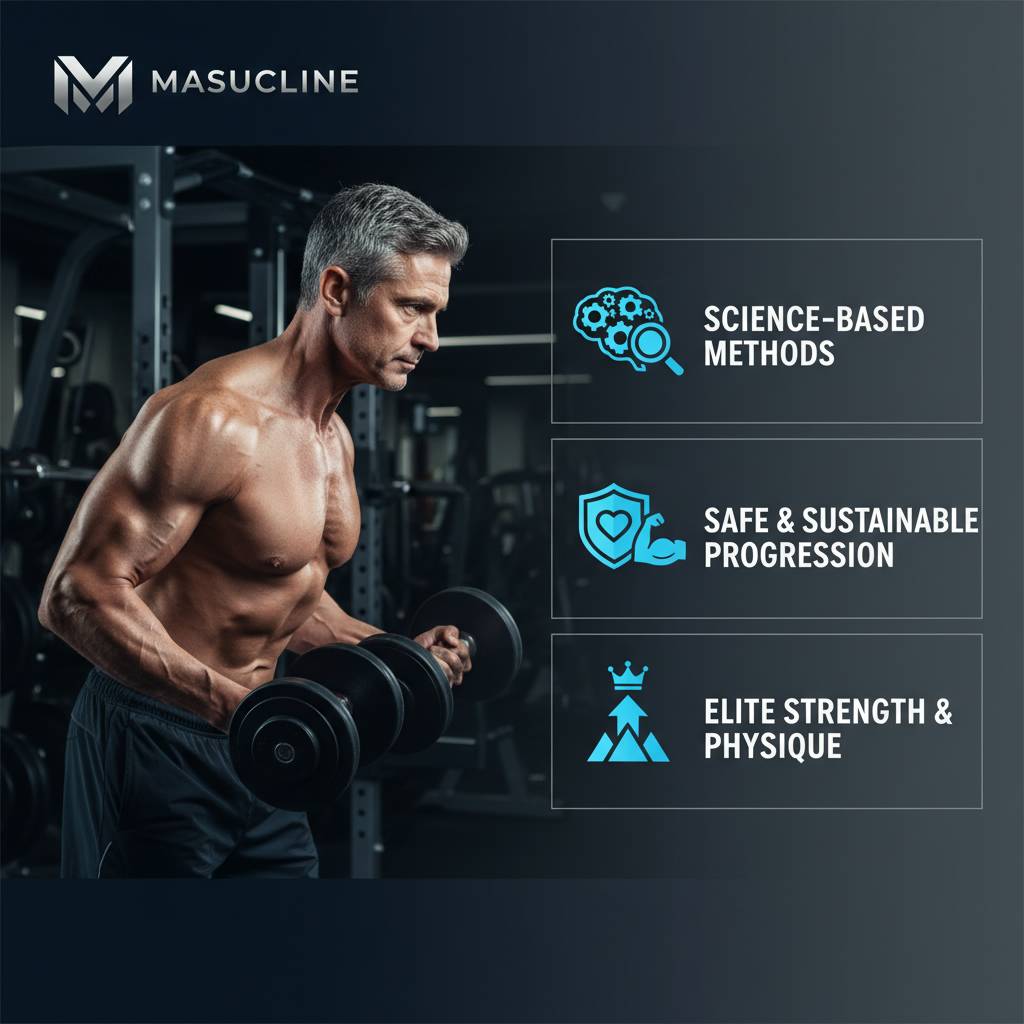 Experience matters in coaching because it shapes judgment, pattern recognition, and the ability to anticipate roadblocks. For clients in their 50s, look for coaches who have demonstrable experience working with people navigating career pivots, retirement planning, health behavior change, or family caregiving. Relevant client histories indicate that a coach has seen common scenarios and can adapt strategies that have worked in similar cases.
Industry familiarity is another important consideration. A coach who has prior experience in corporate leadership, small business ownership, healthcare, or the nonprofit sector brings practical insights about workplace dynamics and financial implications that influence midlife decisions. That context helps coaches craft realistic action steps-whether negotiating flexible work arrangements, evaluating part-time consulting, or planning a phased retirement.
Specialization does not mean narrowness; effective coaches combine a specialty focus with a flexible toolbox. For example, a coach specializing in career transitions and another in chronic illness management may both be appropriate for someone juggling work and health concerns. What matters is that the coach has a track record and case examples showing how they helped clients with overlapping midlife challenges move toward measurable progress.
Ask prospective coaches for anonymized case summaries or references from clients in their 50s. Hearing about specific outcomes-such as finding a part-time role that matched values, developing a health routine that improved energy, or creating a caregiving plan that reduced stress-helps you evaluate whether a coach's experience aligns with your needs and expectations.
Assessment and diagnostic skills coaches should demonstrate
Good coaches combine active listening with structured assessment tools to clarify priorities and baseline status. For clients in their 50s, assessment might include values clarification, strengths inventories, health and lifestyle audits, financial readiness checks, and readiness-for-change scales. Coaches who use validated tools alongside conversational assessment can create more precise plans and measure progress over time.
Assessment is not a one-time activity; it's an ongoing practice. Coaches should be able to explain how they will reassess goals and adjust strategies as circumstances evolve-particularly during midlife transitions when priorities and constraints can shift rapidly. A coach who documents baseline measures and tracks progress with tangible metrics demonstrates a disciplined approach to accountability and outcomes.
Look for coaches who balance qualitative and quantitative assessment methods. Qualitative methods uncover motivation, barriers, and context; quantitative tools provide objective markers for progress. For example, combining a strengths assessment with a weekly activity log or a sleep and energy tracker creates a fuller picture of what interventions are likely to produce sustainable change for clients in their 50s.
Coaches should also describe their decision rules: how they interpret assessment results and translate them into coaching plans. A clear explanation-whether delivered in an initial consultation or in a written coaching agreement-indicates the coach is intentional about matching tools to client needs and capable of pivoting when assessments reveal new priorities or constraints.
Communication style, boundaries, and ethical considerations
Communication skills are central to effective coaching. In your 50s you may value directness balanced with empathy: a coach should be able to ask challenging questions while maintaining respect and safety. Observe whether a coach's communication style in an initial call aligns with your preference for pace, tone, and the level of direct feedback you find motivating.
Clear boundaries and ethical behavior safeguard the coaching relationship. Coaches should offer a written agreement outlining confidentiality, session length, cancellation policies, and the scope of practice (what they will and will not provide). When midlife concerns intersect with mental health or legal/financial issues, ethical coaches recognize limits and provide referrals to licensed professionals when care goes beyond coaching scope.
Transparency about fees, expected outcomes, and the coach's cancellation/refund policies is also an ethical consideration. Clients in their 50s often make pragmatic decisions based on budgets and timelines. Coaches who are upfront about pricing, packages, and what success looks like enable better alignment and help clients avoid disappointment or misunderstandings as work progresses.
Finally, cultural competence and sensitivity to life stage diversity are important. Coaches who demonstrate awareness of generational differences, cultural contexts, and the unique social pressures of midlife show they can create inclusive, respectful spaces where clients in their 50s can explore goals without feeling stereotyped or dismissed.
Practical considerations: logistics, cost, and outcomes
 Practical logistics influence whether coaching is sustainable. Consider session frequency and format-weekly, biweekly, or monthly-and whether the coach offers in-person, phone, or video options. For many people in their 50s with complex schedules, flexible formats and clear rescheduling policies make it easier to maintain momentum without adding stress.
Cost is an understandable concern. Coaching fees vary widely based on experience and specialization; typical ranges might start at $75-$200 per hour and go higher for extensively credentialed or niche specialists. Evaluate the coach's pricing relative to the outcomes they promise and whether they offer packages with clearly defined deliverables and timelines to gauge return on investment.
Outcomes matter more than general assurances. Ask coaches how they define and measure success for clients in their 50s. Good coaches present specific metrics-such as number of job interviews secured, improved sleep hours, reduced caregiving stress scores, or progress on a phased retirement plan-paired with qualitative indicators like increased confidence and clarity.
Ask about follow-up and maintenance options. Midlife transitions often include future inflection points-health events, family milestones, or career changes-so a coach who offers periodic check-ins or alumni services can be a valuable long-term resource. Clarity about post-engagement support helps you choose a coach likely to contribute to sustained, not just short-term, change.
How to evaluate and interview potential coaches
An effective interview is structured and intentional. Begin with a brief overview of your priorities and ask the coach to summarize how they would approach those goals. Pay attention to whether they ask targeted assessment questions, propose measurable steps, and reference past results with clients in their 50s. The best interviews feel collaborative: you should leave with a clear sense of a potential road map.
Ask about supervision and ongoing professional development. Coaches who participate in peer supervision or mentorship demonstrate commitment to quality improvement and ethical practice. This is particularly important for clients in their 50s, whose challenges may intersect with complex emotional or practical issues that benefit from seasoned oversight and interdisciplinary consultation.
Use a consistent set of screening questions to compare candidates. Sample questions include:
- What specific experience do you have with clients in their 50s, and what typical outcomes have they achieved?
- Which assessment tools do you use and why are they appropriate for someone at this life stage?
- How do you incorporate issues like caregiving, health limitations, or retirement planning into coaching plans?
- Can you provide client references or anonymized case studies of outcomes relevant to my goals?
Watch for red flags: vague answers about outcomes, reluctance to share training or client references, or promises of quick fixes. A coach should neither guarantee specific life outcomes nor avoid discussing their methods and credentials. A measured, evidence-oriented response is what you want from someone you will rely on during pivotal midlife decisions.
Case study example and frequently asked questions
Case study: A 54-year-old client sought coaching to transition from a demanding role into part-time consulting while caring for an aging parent. The coach combined a values assessment, time mapping, and boundary-setting tools, then helped the client negotiate a phased exit plan with their employer. Within six months the client had a consulting contract, a caregiving schedule with paid support, and a predictable income target-demonstrating how targeted assessment plus experience can produce concrete midlife outcomes.
FAQ: How long does coaching usually take for midlife transitions? Duration varies by goal: a narrow objective like updating a resume and securing interviews may take 3-6 months, while broader life redesign can take 6-18 months. The key is that credible coaches set milestones and review progress periodically rather than making open-ended promises.
FAQ: Should I prioritize certifications or experience? Both matter. Certifications ensure a standardized level of training and ethics, but hands-on experience with midlife scenarios is essential for relevant judgment. Ideally, select a coach with recognized credentials plus specific case experience with clients in their 50s.
FAQ: What if I need mental health support in addition to coaching? Ethical coaches should identify when issues require therapy and provide referrals to licensed mental health professionals. If you have a history of depression, anxiety, or trauma, ask how the coach collaborates with therapists and what integrated supports they recommend to ensure safe, coordinated care.
Next steps and how Mature Male Fitness Coach supports verification
When you're ready to proceed, start with a short exploratory call. Prepare a concise summary of your priorities and ask for the coach's typical approach and success metrics for similar clients. Mature Male Fitness Coach encourages prospective clients to call and verify credentials; our team can provide documentation of certifications, supervision structures, and anonymized client outcomes to help you compare providers objectively.

Mature Male Fitness Coach also recommends scheduling a trial session or a package that includes a clear kickoff assessment and milestone check-ins. This structure allows you to experience the coach's style and see early signs of alignment without committing to a long-term contract upfront. If you'd like help arranging an introductory conversation, our staff can facilitate that connection.
Remember that choosing a coach is a relational and practical decision. Trust your judgment about rapport, but also rely on objective signals: verifiable credentials, specific midlife experience, documented outcomes, and transparent assessment methods. Combining these elements will increase your confidence in selecting a provider who can support meaningful progress.
Call to action and closing
If you would like assistance verifying credentials or scheduling an introductory call, please reach out to Mature Male Fitness Coach. Our team is available to provide documentation, answer questions about coach qualifications that matter for 50s clients, and help you find a coach whose experience matches your goals. Call us at 13466334799 to begin the verification and interview process.
Making a thoughtful choice now can save time, reduce stress, and produce better outcomes as you plan the next chapter of life. We invite you to contact Mature Male Fitness Coach for support and to confirm any coach credentials before committing. When you call 13466334799, ask about assessment methods, past results with clients in their 50s, and how the coach measures progress for midlife goals.
Thank you for considering these guidelines. We aim to help you make an informed decision with confidence. Reach out to Mature Male Fitness Coach at 13466334799 and let us assist you in finding a coach who combines the right qualifications, experience, and assessment skills to support your goals.